Your Childโ€™s Self Esteem Starts With You

“Sometimes I look at my kids and wonder if I’m f***ing them up”.

True story.

Last summer I was outside chatting with my neighbor, a very bubbly, high-energy nurse, happily married, with five kids. She and her husband were the ‘neighborhood socialites’. You know the house, the one where there’s a party 6 nights a week.

That particular night, as we all sat around talking and laughing about something I don’t remember, my neighbor paused, took a sip of wine and said; “… sometimes I look at my kids and wonder if I’m f***ing them up”.

That moment was so real. I could definitely relate because I’ve second-guessed my parenting skills numerous times over the years.

Remember when they were first born?

Every new parent experiences that first terrifying moment: your baby is screaming, not crying, screaming. You try to feed him. You check his diaper. You try to make him warmer, cooler, calmer, more comfortable, but to no avail. The complete mystery of this precious 8 pound, non-speaking creature rises to your consciousness, and, all at once, youโ€™re struck by the realization that you have absolutely no idea what this tiny person wants or what to do to make him feel better.

It seems parenting would get easier as they get older.  So not true.  Different age means different needs.  Sure, our children get older and become more self-sufficient.  But there’s always an interesting, new challenge.  

No parent is perfect.  But how you react to your childrenโ€™s emotions will always be important. Should you feel stressed or agitated, your child is likely to have trouble relaxing.

Should you feel calm and sure of yourself, your child is likely to feel secure and trusting. Our children depend on us for survival and, therefore, are highly attuned to our emotions.

So while we canโ€™t expect to be perfectly in sync with our children at every moment, what we can do is recognize that no matter how oblivious we are to them, our children are almost always extremely attuned to us. 

Every reaction we express (consciously and unconsciously) is absorbed by them, helping them shape their view of the world and of themselves.

The more calm and compassionate we are in reacting to our children, the more resilient they become in handling their own emotions. Yet, as parents, we will always have moments when we fumble, tense up, say the wrong thing, and offer the wrong remedy.

Therefore, really improving our parenting means gaining a better understanding of ourselves. All parents both love and hate themselves, and they extend both of these reactions to their children. Because our kids come from us, we often confuse our own self-perceptions and experiences with theirs. The love we feel for ourselves is extended to our children as โ€œParental Nurturance.โ€  

When parents feel good about themselves, they are much better able to extend this positive sense of self to their children. They can engage in activities, relate to, and offer their children support from a place of confidence and ease. 

On the opposite side of the spectrum, when parents feel negatively toward themselves, it is equally easy for them to extend these feelings to their children. The negative thoughts parents harbor toward themselves can lead to parental rejection, neglect, or hostility.

Not only are parents more likely to be critical of their offspring in ways that are similar to the ways they are disapproving of themselves, but their negative self-esteem also serves as an example for their children. When we hear our kids comment on their weight or call themselves stupid, we may wonder where they got such ideas about themselves. We may never call our kids the things they call themselves, but we can certainly recall the many times weโ€™ve criticized ourselves for being fat or stupid in front of them.

As kids grow up, they often take on their parentsโ€™ negative self-perceptions and the critical point of view directed toward them. For example, if a parent regards their child as a burden, that attitude will be woven into the childโ€™s self-esteem. This negative programming, from parents and other influential persons in the childโ€™s development, combined with other influences such as accidents, illness, and anxiety lead to the formation of the โ€œAnti-Self Systemโ€ and the โ€œCritical Inner Voiceโ€ that accompanies it.

The Anti-Self System represents a variety of destructive and critical attitudes children adopt toward themselves and the world at large. The critical inner-voice operates as an internalized parent, reminding people of their flaws, warning them against certain actions, and instructing them about how to perceive the world.

Hurtful parental attitudes, projections, and unreasonable expectations expressed toward children are the basis of low self-esteem.

There are parents who offer false praise to their children in an effort to compensate for an absence of parental nurturance. This build up is actually harmful to a childโ€™s sense of self, because it does not represent the truth and is not proportional to the childโ€™s real actions or abilities. Verbally building up a child with statements like, โ€œLook how big and strong you are. You are the smartest kid in the whole world,โ€ may actually make a child feel insecure. It can lead to children having aggrandizing thoughts about themselves or to feeling pressure to live up to the build up; both of which hurt them in the future.

It is important to be aware of the example we set for our children. What we say to them, about them, and about ourselves will have a profound influence on how they view themselves.

The more attuned we are to ourselves, the better able we are to react sensitively to our children. The healthier we are emotionally, the less likely we are to project our own negative experiences and self-critical thoughts onto our kids.

We are also better able to recognize when we are on auto-pilot, automatically reacting to them as we were reacted to as children. Or when, without thought, we are criticizing them in ways that we criticize ourselves. We can also be alert to what makes us โ€œlose itโ€ with our child.

In all of these situations we can identify the attacks we are having on our children and ourselves, while simultaneously sourcing where these reactions are coming from. Do we get upset at similar qualities in our children that our own parents attacked in us? Are we compensating for a part of our past that we felt was mishandled by an influential figure in our early lives?

Perfection is impossible. But reflection helps us do better as parents.

When we do slip up, we can use our self-understanding to repair ruptures in our relationships with our children. We can apologize for our mistakes, empathize with their pain, and explain to them how we really feel. The more honest, open, and mindful we make the environment we share with our children, the more we enable our children to be resilient and to move confidently and independently into the world.

Tweet this article:


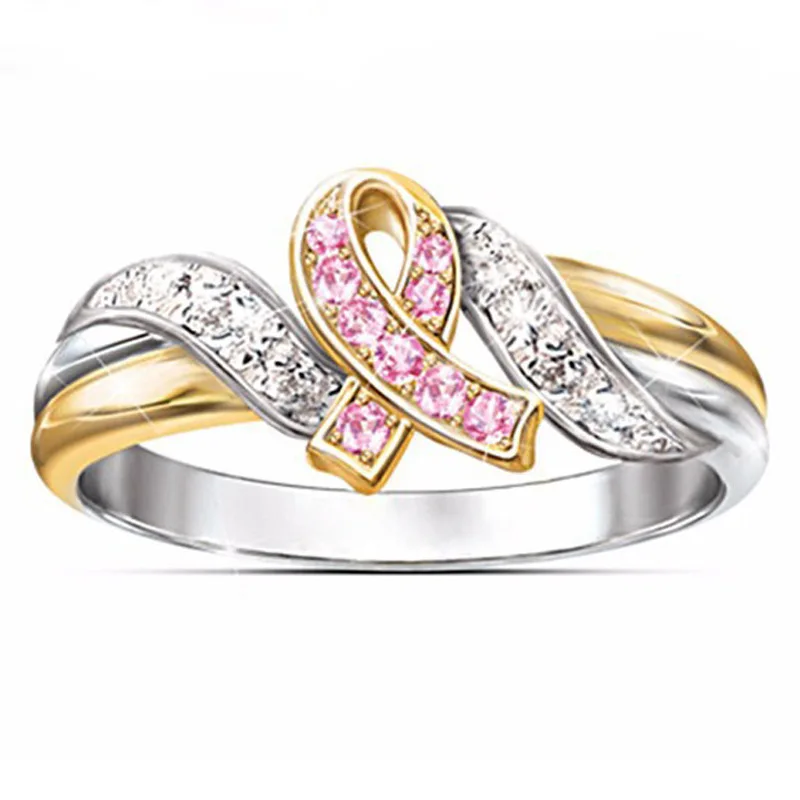
Women’s hope ring, stainless steel, domestic violence awareness, child abuse prevention advocate ring

A ring to show your support for domestic abuse awareness, a unique option to the ribbon lapel pin. Purple ribbon women's ring, thank you for showing your support for child abuse prevention.

$19.99

PBR003(1)
  • DESCRIPTION DETAILS:
  • Metals Type:ย Stainless Steel
  • Material:ย Cubic Zirconia – various colors. Please email for color requested.
  • is_customized:ย No
  • Occasion:ย Advocate, hope ring
  • Compatibility:ย All Compatible
  • Setting Type:ย Pave Setting
  • Rings Type:ย Casual
  • Fine or Fashion:ย Fashion
  • Style:ย TRENDY
  • Shape\pattern:ย Round
  • Model Number:ย RC-287
  • Surface Width:ย 9mm
  • Item Type:ย Rings
  • ring size:ย USA standard
  • Handling: 1 day
  • Shipping: 5-10 days

Source: Original, unedited article: http://www.google.com/amp/s/www.psychologytoday.com/us/blog/compassion-matters/201106/your-child-s-self-esteem-starts-you?amp, Dr. Lisa Firestone on parenting (2011).

Mom Gave Baby to a Stranger Saying; โ€˜Heโ€™d be better off with youโ€™

Mom gives toddler away to a stranger. Scranton Police Department: what the woman did does not constitute a crime.

This article gave me so many mixed emotions. First, I felt sad thinking of the child and how scared an alone he must feel; then I felt relieved that the mother didnโ€™t hurt her child.

A distressed mother handed her baby boy to a stranger on the street and told the woman โ€˜heโ€™d be better off with you.โ€™

The mother passed her little boy โ€“ believed to be between 12 and 15 months old โ€“ to the stunned stranger outside a laundromat in Scranton, Pennsylvania, on Tuesday. She then walked away.

The stranger she gave the baby to immediately contacting police. Scranton Police Department said what the woman did does not constitute a crime. Continue reading…

Please share your thoughts.

Source: Metro.co.uk. Read more: https://metro.co.uk/2019/09/26/stricken-mother-handed-baby-stranger-street-saying-better-off-10815041/?ito=cbshare

Emotional abuse of a child longer-lasting effects than childhood sexual abuse?

Surprisingly, psychological, also known as โ€˜emotional abuseโ€™ of a child can have more long-lasting negative psychiatric effects than eitherย childhood physical abuseย orย childhood sexual abuse.

Definition of Child Psychological Abuse

Psychological abuse of a child is a pattern of intentional verbal or behavioral actions or lack of actions that convey to a child the message that he or she is worthless, flawed, unloved, unwanted, endangered, or only of value to meet someone else’s needs.

Withholding emotional support, isolation, or terrorizing a child are forms of psychological abuse. Domestic violenceย that is witnessed by a child is also considered a form of psychological abuse.

Types of Child Psychological Abuse

Psychological abuse of a child is often divided into nine categories:

1. ย Rejection: to reject a child, to push him away, to make him feel that he is useless or worthless, to undermine the value of his ideas or feelings, to refuse to help him.

2. ย Scorn: to demean the child, to ridicule him, to humiliate him, to cause him to be ashamed, to criticize the child, to insult him.

3. ย Terrorism: to threaten a child or someone who is dear to him with physical violence, abandonment or death, to threaten to destroy the child’s possessions, to place him in chaotic or dangerous situations, to define strict and unreasonable expectations and to threaten him with punishment if he does not comply.

4. ย Isolation: to physically or socially isolate a child, to limit his opportunities to socialize with others.

5. ย Corruption or exploitation: to tolerate or encourage inappropriate or deviant behavior, to expose the child to antisocial role-models, to consider the child as a servant, to encourage him or coerce him to participate in sexual activities.

6. ย The absence of emotional response: to show oneself as inattentive or indifferent towards the child, to ignore his emotional needs, to avoid visual contact, kisses or verbal communication with him, to never congratulate him.

Neglect: to ignore the health or educational needs of the child, to refuse or to neglect to apply the required treatment. (See:ย What is Child Neglect?)

7. ย Exposure to domestic violence: to expose a child to violent words and acts between his parents.

The behavior of an emotionally abusive parent or caregiver does not support a child’s healthy development and well-being-instead, it creates an environment of fear, hostility, or anxiety. A child is sensitive to the feeling, opinions, and actions of his or her parents.

8. ย Showing a lack of regard for the child

This behavior often includes rejecting the child by:

  • Not showing affection.
  • Ignoring the child’s presence and obvious needs.
  • Ignoring the child when he or she is in need of comfort.
  • Not calling the child by his or her name.

9. ย Saying unkind things to the child

Emotionally abusive parents say things or convey feelings that can hurt a child deeply. Common examples include:

  • Making the child feel unwanted, perhaps by stating or implying that life would be easier without the child. For example, a parent may tell a child, “I wish you were never born.”
  • Ridiculing or belittling the child, such as saying, “You are stupid.”
  • Threatening the child with harsh punishment or even death.
  • Continuousย verbal abuse.

Symptoms of Child Psychological Abuse

Symptoms of psychological abuse of a child may include:

  • Difficulties in school
  • Eating disorders, resulting in weight loss or poor weight gain
  • Emotional issues such as low self-esteem,ย depression, andย anxiety
  • Rebellious behavior
  • Sleep disorders
  • Vague physical complaints

Psychological abuse of a child can have long-lasting negative psychiatric effects. Learn about the types and symptoms of psychological abuse.

How to report any type of child abuse:

https://www.childwelfare.gov/topics/responding/reporting/how/

ย 

ย 

ย 

APA Reference
Gluck, S. (2011, November 23). What is Psychological Abuse of a Child?, HealthyPlace. Retrieved on 2019, September 27 from https://www.healthyplace.com/abuse/child-psychological-abuse/what-is-psychological-abuse-of-a-child

Five signs a toddler has been sexually abused

Every nine minutes, government authorities respond to another report of child sexual abuse.

The possibility of children being harmed is always a tough subject for me to talk or write about, but we can never be too careful when it comes to our babies. Every nine minutes, government authorities respond to another report of child sexual abuse. Moms, we must keep the conversation going.

Itโ€™s not always easy to spot sexual abuse because perpetrators take extra precautions to hide their actions. Some signs of abuse are easier to spot than others; hereโ€™s a comprehensive list of the most common red-flags in toddlers.

1. Personality Changes

A toddler who is being sexually abused may suddenly display personality characteristics not previously seen. For example, your child may seem anxious, insecure or depressed, according to New York University’s Langone Medical Center. Confident children may also become clingy or withdrawn. Some sex abuse victims suffer from low self-esteem and may have trouble making friends their age.

2. Behavior Changes

A young child being sexually abused will often undergo behavior changes as a result of the abuse. Young children, in particular, are likely to begin acting in an age-inappropriate manner. For example, she may begin sucking her thumb or being wetting her pants or the bed even though she is already potty-trained, according to the American Academy of Pediatrics. Changes in sleep patterns are also possible, with toddlers having trouble falling asleep or having regular nightmares.

3. Sexual Behavior

A toddler being sexually abused may also begin to display some sexual behaviors. For example, he may act out sexual acts with stuffed animals or other toys or may draw pictures of sexual acts, according to the American Academy of Pediatrics. Young children may also masturbate frequently or try to initiate sexual behavior with their friends or siblings.

4. Fear

A young sexual abuse victim may suddenly seem fearful of certain people or situations, including avoiding situations in which she will encounter her abuser. They may be afraid or getting undressed even at appropriate times, such as for bathing, or seem fearful of visiting the doctor or being examined by a health professional, according to Langone Medical Center. Some children also become fearful or going to the bathroom despite earlier success.

5. Physical Signs

Physical signs rarely are noticed in cases of child sexual abuse, according to the Stop It Now! organization. Still, some possible indications of sexual abuse include vaginal or anal discharge; pain or itching in the genital region; frequent urinary tract infections or sore throats; pain while urinating or having a bowel movement; and redness, bleeding, or bruising in the genital or anal area. Some abuse victims also begin to complain of physical ailments such as headaches or stomachaches.

Remember, you are not alone.

If you suspect sexual abuse you can talk to someone who is trained to help. Call the National Sexual Assault Hotline at 800.656.HOPE (4673) or chat online at online.rainn.org.

Sources: Rainn.org. / https://www.rainn.org/articles/warning-signs-young-children.

https://healthfully.com/signs- childrenof-sexual-abuse-in-a-toddler-5625844.html. Accessed September 22, 2019.

Symbols that pedophiles use to signal their sordid sexual preferences

The pedophile network has such technologically advanced, encrypted data bases that it took five years for police to crack.

Some of you may remember when the secret symbols of pedophiles were made public by the FBI in 2006 and 2007. This topic is well-worth revisiting, because pedophiles havenโ€™t gone anywhere, theyโ€™re just more sophisticated at hiding.

Hereโ€™s the recap.

These are the symbols pedophiles use to signal their sordid sexual preferences. The seemingly innocuous pastel-colored scrawls feature butterflies, love hearts, and spirals. But to FBI agents they signify something much darker.

One of the symbols, a blue spiraling triangle framed by another triangle, is known as the BoyLover logo. It is used by pedophiles who prefer young boys.

Another is for pedophiles who prefer much younger boys. This symbol, known as the LittleBoyLover logo, is also a blue triangle spiral, but drawn in a child-like scrawl. The

The so-called GirlLover logo is a heart inside a heart, indicated that the male or female pedophile prefers young girls.  

Good Humor Ice cream logo.

Pedophiles who do not have a preference of gender use the ChildLover logo, which is a butterfly made up of love hearts.

Finally, there is the Childlove Online Media Activism logo, which pedophiles use as a symbol to promote their ’cause’: that sexual relationships between adults and minors should be decriminalized.

The symbol – a triangle, a love heart and a circle merged into one – has been circulating social media, blogs and webcasts for years. It has even appeared on some children’s toys.

Investigators with the FBI’s Cyber Division Innocent Images National Initiative first discovered the code in 2007.

Identical or similar jewelry and symbols as described in this intelligence bulletin should raise suspicion of possible pedophilia activity when found during searches.’

Fast forward to 2019

June-2019, Norwegian police uncovered yet another network of pedophiles, this one operating with such advanced technology that they went undetected for the past 20 years.

Police have seized several million photos and videos of assaults on young boys from around the world.

Encrypted data
The pedophile network has possessed such technological expertise that it built up advanced, encrypted computer data bases so large that police have only managed to get through around 20 percent of the material seized after five years of investigation.

Held positions of trust
The NRK state broadcaster reported that several of the men have worked with children or volunteer in positions that give them extensive contact with young boys. The husband of the male entertainer worked as a football (soccer) referee, according to NRK.

Investigators have worked on the case since 2014, when an Oslo mother overheard her 12-year-old son talking with a friend. He complained of having been groped by a man, an entertainer in his 50s who was a sort of mentor to them both through a local club. He wondered if the other boy had been assaulted as well. He had, and the mother reported the incidents to police.

The attorney acknowledged that the police investigation has revealed how the network of pedophiles operated with secret symbols that could identify their pedophile tendencies. The network includes individuals with unusually high levels of computer expertise. Several of the male suspects work with data technology.

Norwegian police made arrests last year, four years after police finally managed to crack their encrypted files and gain access to the material.

One of the men reportedly had gained responsibility in an international group referred to as โ€œBoyLoveโ€ that also allegedly seeks to normalize sexual assault on children.

Source: https://www.dailymail.co.uk/news/article-3560069/The-symbols-pedophiles-use-signal-sordid-sexual-preferences-social-media.html. https://www.newsinenglish.no/2019/07/02/police-reveal-advanced-pedophile-ring/

Adult Survivor: Itโ€™s Never Too Late to Begin the Process of Recovery

If you are an adult concerned for a friend or loved one who you know or suspect has experienced sexual abuse as a child, your support and understanding can be critical to their recovery.

Adults who have had experiences of sexual abuse as children need and deserve a chance to speak about their experiences with those who understand and can help.

Survivors of child sexual abuse can also play a critical role in the prevention of further abuse to other children. If you or someone you love needs support to recover, now is the time to reach out for help. Find the support you deserve.

If you are a survivor of sexual abuse as a child, it is very important to seek professional support and guidance for your recovery.

The impact of sexual abuse by another child, teen or adult can change over time. The changes unfold as a young person grows into adulthood and continue throughout a lifetime.

Even if you were offered support and resources earlier in life, if you are feeling the need for support at this time, we encourage you to seek the help you need and deserve. You can find resources and support here.

Are you concerned that the person who abused you will harm another child?

If you feel that the person who abused you currently poses a risk to a child or teen, it is important to share your concerns with others who can be allies to you in taking steps to protect this young person. We can help you find allies who share your concerns.

Perhaps you are recognizing signs of risk in the child or the adult. Maybe this child is near the age when you yourself suffered abuse. We urge you to trust your intuitions and act on your instincts by speaking to other adults who can take steps to protect this child.

There are many steps that can be taken before a child is harmed. You donโ€™t have to wait until there is โ€œproofโ€ that abuse has occurred to act.

As a survivor, your experience can help everyone involved.

Learn about the statute of limitations in your state for reporting child sexual abuse. Filing reports about your own abuse (with the support of a counselor) can be a step to take if you believe that the same person who harmed you may have abused someone who is now a minor.

If others are already concerned, your coming forward can help ease the burden of disclosure the child or teen may be facing.

I know an adult survivor.

Care enough to take the risk and talk about it. If you are an adult concerned for a friend or loved one who you know or suspect has experienced sexual abuse as a child, your support and understanding can be critical to their recovery.

There are many resources that can help you to better understand what an adult survivor may be experiencing now and how the recovery process evolves over time. Sharing the resources you find here with the person youโ€™re concerned about is a great place to start.

Support resources for family, friends and partners are important as well โ€“ by acknowledging how a loved oneโ€™s abuse can personally affect you, you are taking a step in becoming a safe adult for those who experienced sexual abuse.

Source: Stopitnow.org. https://stopitnow.org/help-guidance/online-help-center/adult-survivor. Accessed- September 19, 2019

Priest: I’d Rather Go to Jail Than Report Child Sexual Abuse

Archbishop’s response to mandatory child sex abuse reporting labelled ‘pig-headed’.

Australia- Melbourneโ€™s Catholic archbishop insists three years jail is preferable to breaking the seal of confession and reporting child sexual abuse to authorities.

Priests will risk prison if they donโ€™t report child abuse revealed to them during the sacrament of confession, under new laws introduced in Victoria.

The bill, introduced into state parliament would make religious ministers mandatory reporters of abuse suspicions alongside police, teachers, medical practitioners and early childhood workers.

โ€œI donโ€™t think in contemporary and mainstream times, knowing what we know now, that we can do anything other than say the rights of children trump anyoneโ€™s religious views,โ€ the attorney general, Jill Hennessy, told reporters.

Ultimately this is about making sure that we start to right the wrongs of systemic abuse.โ€

Archbishop Peter Comensoli said heโ€™d ask someone who admitted abuse to tell him outside the box but if they refused he would โ€œkeep the sealโ€.

โ€œI hold the principle of mandatory reporting โ€ฆ and I also hold onto the principle of the seal of confession. My own position is that I donโ€™t see that as mutually exclusive,โ€ he told ABC Radio on Wednesday.

The archbishopโ€™s office later released a statement saying the church welcomed the proposed expansion of mandatory reporting to include religious ministers, but denied the seal of confession was an obstacle to mandatory reporting.

โ€œConfession doesnโ€™t place people above the law. Priests should be mandatory reporters, but in a similar way to protections to the lawyer/client relationship and protection for journalistsโ€™ sources.โ€

Catholic archbishops in the ACT and South Australia have also vowed to defy similar laws.

Melbourneโ€™s most senior Catholic also revealed he saw disgraced cardinal and convicted child abuser George Pell in prison about two months ago, as he awaits the outcome of his appeal over his conviction for sexual abuse.

โ€œI think he has a sense of waiting, as anything there would be a psychological agitation about waiting for whatโ€™s going to be the outcome of the appeal, but I found him strong spiritually and calm and very conversive,โ€ Comensoli said.

Under the proposed Victorian laws, priests and spiritual leaders face up to three yearsโ€™ jail if they donโ€™t report child physical and sexual abuse allegations.

Archbishop’s response to mandatory child sex abuse reporting labelled ‘pig-headed’.

“I would expect anyone who is aware of a commission of a crime would have the wherewithal and the personal ethics to report that crime,โ€ Hennessy said.

The Andrews Labor governmentโ€™s reforms would also allow survivors of institutional abuse to apply to the supreme court to overturn โ€œunfairโ€ compensation settlements previously signed with churches.

Chrissie Foster, who with her late husband fought for years for compensation for their two girls who were abused by a Catholic priest, said there was no excuse for priests who failed to report confessions of abuse.

โ€œThe Catholic priesthood tried to get away with a basement bargain deal with all of this. They should pay until they canโ€™t stand up,โ€ Foster said.

In the same bill, anyone denied a working-with-children check for serious crimes such as rape and murder would no longer be able to appeal that refusal.

The Blue Knot Foundation, the national centre for excellence in complex trauma, hit out at the Catholic churchโ€™s opposition to the law.

โ€œWhatever justification church authorities present to support this stance, the continued suggestion that the Catholic church is above the secular law of the society in which it operates is unfortunate to say the least,โ€ spokeswoman Dr. Pam Stavropoulos said.

Victoriaโ€™s Liberal-National opposition has previously indicated it would back a law mandating priests report child abuse allegations.

But party leader Michael Oโ€™Brien on Tuesday said he wanted to see the details of the bill.

โ€œIโ€™d like to think that in Victoria in 2019, we can make sure we can protect kids and we should also be able to respect freedom of religion. Letโ€™s see if the government has got that balance right,โ€ he said.

Crossbench MP Fiona Patten welcomed the governmentโ€™s move, saying โ€œI think that Jesus would mandatory reportโ€.


Rating: 5 out of 5.

Source: https://www.theguardian.com/australia-news/2019/aug/14/victorian-bill-would-compel-priests-to-report-child-abuse-confessions-or-risk-jail . By: Lisa Martin Australian Associated Press. Accessed- September 18, 2019.

Teen Siblings Create notOK App for Peers in Distress

Charlie said his motivation for building the app came from watching his sister spiral into depression.

What a great idea! This may be old news to some but I’m just hearing about it.

If one button could change everything, save a life or help a teen, wouldn’t you tell everyone about it?

When Hannah Lucas was diagnosed last year with a medical condition that caused frequent fainting, she felt scared and alone.

โ€œI started passing out more and more often and I was terrified of going anywhere,โ€ Hannah, 15, told ABC News. โ€œBecause what if I passed out and no one was around or what if someone took advantage of me?โ€

Hannah, a high school sophomore from Georgia, became anxious and depressed and started to self-harm, she said.

From that dark point in her life, Hannah and her younger brother, Charlie Lucas, 13, created an app to help people in distress.

The idea for the notOK App came from Hannah, who told her mom she wished there was an app she could use to quickly alert her family and friends when she needed help either physically or emotionally.

Charlie heard his sisterโ€™s idea and used coding skills he learned in summer camp to design the app.

โ€œI helped illustrate it out so he would know what to do,โ€ Hannah said of her brother. โ€œHe looked at my drawings and he coded it to tell the coders exactly what I wanted and how I wanted it to look.โ€

Charlie said his motivation for building the app came from watching his sister spiral into depression.

โ€œI saw Hannah depressed, and she told me about her idea, and I started wire-framing it,โ€ he said. โ€œMaking this app made her feel better and that made me feel better.โ€

Hannah pitched the app while taking a summer class on entrepreneurship at Georgia Tech. Professors there were so intrigued by the siblingsโ€™ creation that they connected the family with a development company in Savannah.

Over the course of five months, Hannah and Charlie worked side by side with the developers, often over Skype, to see their idea for the app turn into reality.

They also compiled research on mental health statistics to make the case that their app would find an audience.

Mental illness is defined by the National Institute of Mental Health (NIMH) as a mental, behavioral, or emotional disorder. One in six U.S. adults lives with a mental illness, the institute reports.

Among adolescents, an estimated 49.5 percent between the ages 13 to 18 have a mental disorder, according to NIMH.

NotOK was launched in February 2018, both iOS and Android versions. The app, was originally came with a $2.99 monthly fee, but is now offered for Free. It allows users to press a button that sends a text message to up to five preselected contacts.

The text, along with a link to the user’s current GPS location, shows up on the contacts’ phones with the message, โ€œHey, I’m not OK. Please call me, text me, or come find me.โ€

โ€œThe reaction weโ€™ve heard has been really positive, especially from parents and kids suffering with anxiety,โ€ Hannah said. โ€œThose kids donโ€™t know the words to tell somebody.โ€

Hannah added of the app, โ€œIt definitely gave me a sense of comfort.โ€

Original source: https://www.google.com/amp/s/www.goodmorningamerica.com/amp/wellness/story/teens-struggle-depression-led-brother-create-app-52791054. By KATIE KINDELAN. Accessed September 12,2019.

Good News: Reaching Suicide Prevention Lifeline Will Get Easier

Reaching the nationโ€™s suicide prevention hotline will soon become much easier.

The Federal Communications Commission is working to institute a new three-digit phone number โ€” 988 โ€” to access crisis counselors.

The number would function like 911, which is used for emergencies, and 311 which, in many parts of the country, connects citizens with city services, NBCโ€™s โ€œTodayโ€ says.

The move is gaining traction during September, which is Suicide Awareness Month. It would make crucial, life-saving services easier to access, according to advocates. Currently, to reach the National Suicide Prevention Lifeline, callers must dial (800) 273-TALK. You can also text TALK to 741741.

Thereโ€™s no way most of them are going to remember the 800 numbers,โ€ Lynn Bufka, with the American Psychological Association, told The Associated Press. โ€œ988 makes it much easier to remember.โ€

An estimated 45,000 Americans committed suicide in 2016, according to the Centers for Disease Prevention and Control. Those are the most recent figures available.

There is no official timeline for when “988” would become active.

Source: www.onlineathens.com/news/20190904/suicide-prevention-month-new-3-digit-hotline-on-way-for-those-who-need-help

I Want To Tell You About My Suicidal Thoughts

National Suicide Prevention Week: Sunday, September 8 – Saturday, September 14, 2019

By: Amanda Rances Wang, Good Advice – 9/8/2019

Suicide is the 10th leading cause of death in the United States, yet it is still treated with shame and silence. In honor of National Suicide Prevention Week, weโ€™re sharing stories about suicide in order to encourage awareness and combat stigma. If you or someone you know is struggling with thoughts of suicide, please call the National Suicide Prevention Lifeline at 1-800-273-8255.

Iโ€™ve struggled with depression and suicidal thoughts since I was a teenager. But by the time I was 29, I thought I had things under control. I took antidepressants and talked to a therapist every week. I had a full life with my husband of three years. Trips were ventured, friends gathered together, and there were plenty of nights on the town. Everything appeared fine from the outside.

Itโ€™s just that thereโ€™s this one single thing that I slowly began to notice until I could no longer deny its presence in my life. I was gay.

In my mind, being gay meant the destruction of the one thing that I thought kept the demons at bay: my marriage. I was in love and he had this uncanny ability to draw me out from the dark side. Being married to this wonderful person, I thought, would solve all my problems. So now to be gay, and lose him and all that he represented? I wouldnโ€™t dare make that leap. To even think about it was too painful, too terrifying.

I got far enough with my suicidal ideation that I finally shared all my passwords and bank account information with my friend Karen. I also gave her access to my online journal, and she noticed a very disturbing passage about how I had been hurting myself. The next thing I know, my brother knocks on my apartment door. โ€œIs everything okay?โ€ he asks. โ€œKaren told me about what you wrote, are you sure youโ€™re okay?โ€

I told him I was fine, but he knew me better. That Friday after dinner, my familyโ€”my parents, my brother, my husband, and my godmotherโ€”were gathered at my parentsโ€™ house. In front of everyone, my brother shared that he was concerned about my well-being, and that he noticed Iโ€™ve been having a hard time. Then he outed me, right then and there, announcing that Iโ€™m gayโ€”revealing the truth that I had only ever written in my journal. Tears started to fall down my husbandโ€™s cheeks. He said, โ€œWhatever makes you happy, Amanda. Iโ€™ll support it.โ€ Youโ€™d think that would make my decision easier and lighten my load, but instead, I thought to myself, โ€œI am one fucking terrible person.โ€

The self-harm got worse and more frequent after that. I was doing anything to take the edge off and dull the pain. Two weeks later, Karen finally told me, โ€œAmanda, weโ€™ve done all we could. Youโ€™ve done all that you could. Youโ€™ve seen your therapist, youโ€™re taking meds, youโ€™ve told your husband and your parents, and still itโ€™s not working. Itโ€™s time, Amanda. I think itโ€™s time you entered yourself into the hospital.โ€

It took a long time, but once I was able to manage my symptoms, I was able to come to terms with the reality of who I was.

It was there on the 11th floor of a New York City hospital that my social worker finally puts a name to what Iโ€™ve been suffering from most of my life. She begins to read each of the nine symptoms out loud, and with every symptom, Iโ€™m convinced sheโ€™s reading my biography. โ€œAmanda, have you ever heard of borderline personality disorder?โ€ she asks.

That moment changed my life. Receiving a diagnosis put me on the track to proper treatment (dialectical behavior therapy, which is designed specifically to help people with BPD) and with it, I begin to understand my emotions, my vulnerabilities, and most important of all, what to do when I am feeling suicidalโ€”tools that I never really had before.

Itโ€™s been 13 years since I received my diagnosis. I continue to work with a DBT therapist and go to a group class to learn the skills I need to thrive. My therapist has been invaluable to me. She challenges me, keeps me accountable, and helps me build a life Iโ€™m happy to live as a proud gay woman. It took a long time, but once I was able to manage my symptoms, I was able to come to terms with the reality of who I was. It was so hard for me to let go of my husband, who gave me hope, stability, and structureโ€”things so important to my mental healthโ€”but I had to first believe that I could be those things for myself.

Still, it hasnโ€™t been easy. I continue to work through suicidal thoughts and urges. I have been hospitalized three additional times since my first hospitalization all those years ago. Although I sometimes see those as failures, I ultimately recognize that indeed, they were strides in the right direction. Iโ€™m still here, and that has to count for something.

You know what? Maybe that something is courage. People who have been through hell and live in a body and mind that conspire to kill itself are incredibly courageous for not only sticking it out, but for seeking the right professional help to keep them alive. Seemingly insignificant things like talking to the barista, going for a jog, holding ice in your hands, and yes, accepting help when you need it most, are courageous acts in the face of suicide. We must choose courage, no matter how difficult and painful the road ahead of us lies.

Amanda Rances Wang is a digital designer by trade, an advocate for those living with mental illness, and founder of a startup. She lives with her son in Long Island, NY.

Hereโ€™s the best way to take care of a friend struggling with suicidal thoughts. And hereโ€™s the best way to talk about suicide, according to a psychiatrist.

Source: www.wellandgood.com/good-advice/suicidal-thoughts-depression-help/