www.bible.com/116/psa.100.4.nlt
Giving thanks to God Almighty for everything I’ve been through; the pain, growth the sad times, happy times, all I have and everything in between.
I humble myself in praise.
Teen self-esteem building.
www.bible.com/116/psa.100.4.nlt
Giving thanks to God Almighty for everything I’ve been through; the pain, growth the sad times, happy times, all I have and everything in between.
I humble myself in praise.

It’s not uncommon for childhood trauma to manifest itself well into adulthood. When we start to connect-the-dots, it’s clear to see a direct correlation between certain childhood events and our self-worth. Low self-esteem can be a result of a negative or dysfunctional family environment, but where exactly does it originate? There’s no one answer to this question but here’s a short list of ways your parents may be the root-cause of your low self-esteem.
1. Disapproving Authority Figures
If you grew up hearing that whatever you did wasn’t good enough, how are you supposed to grow into an adult with a positive self-image? If you were criticized no matter what you did or how hard you tried, it becomes difficult to feel confident and comfortable in your own skin later. The fear forced on you for perpetually “failing” can feel blindingly painful.
2. Uninvolved/Preoccupied Caregivers
It’s difficult to motivate yourself to want more, strive for more, and imagine that you deserve more when your parents or other primary caregivers didn’t pay attention – as if your greatest achievements weren’t worth noticing. This scenario often results in feeling forgotten, unacknowledged, and unimportant later. It can also leave you feeling that you are not accountable to anyone, or you may believe that no one in the here and now is concerned about your whereabouts, when that’s actually a carry-over feeling from the past. Feeling unrecognized can result in the belief that you are supposed to apologize for your existence.
3. Authority Figures in Conflict
If parents or other caregivers fight or make each other feel badly, children absorb the negative emotions and distrustful situations that have been modeled for them. It’s scary, overwhelming, and disorganizing. This experience can also occur when one parent is deeply distraught or acts unpredictably around the child. When you were subjected to excessive conflicts between authority figures, it can feel as if you contributed to the fights or to a parent’s painful circumstance. Intense conflicts are experienced as extremely threatening, fear driving, and you may believe you caused it. This feeling of being “tainted” can be carried into adulthood.
4. Bullying (with Unsupportive Parents)
If you had the support of a relatively safe, responsive, aware family you may have had a better chance of recovering and salvaging your self esteem after having been taunted and bullied as a child. If you already felt unsafe at home and the torture continued outside home, the overwhelming sense of being lost, abandoned, hopeless, and filled with self-loathing pervaded your everyday life. It can also feel like anyone who befriends you is doing you a favor, because you see yourself as so damaged. Or you may think that anyone involved in your life must be predatory and not to be trusted. Without a supportive home life, the effects of bullying can be magnified and miserably erode quality of life.
5. Bullying (with Over-Supportive Parents)
Conversely, if your parents were overly and indiscriminately supportive, it can leave you feeling unprepared for the cruel world. Without initial cause to develop a thick outer layer, it can feel challenging and even shameful to view yourself as unable to withstand the challenges of life outside the home. From this perspective, you may feel ill prepared and deeply ashamed to admit this dirty ugly secret about you, even to your parents, because you need to protect them from the pain they would endure if they knew. Instead, you hid the painful secret of what’s happened to you. Shame can cloud your perspective.
Eventually it can seem as if your parents’ opinion of you is in conflict with the world’s opinion of you. It can compel you to cling to what is familiar in your life, because it’s hard to trust what’s real and what isn’t. You may question the validity of your parents’ positive view of you, and default to the idea that you are not good enough or are victim-like and should be the subject of ridicule.
6. Bullying (with Uninvolved Parents)
If your primary caregivers were otherwise occupied while you were being bullied and downplayed your experience, or they let you down when you needed their advocacy, you might have struggled with feeling undeserving of notice, unworthy of attention, and angry at being shortchanged. When the world feels unsafe, the shame and pain are brutal. These feelings could also be evoked if parents were in transitional or chaotic states – so that what happened to you wasn’t on anyone’s radar. If there’s chaos at home, it can be hard to ask for attention or to feel like there is room for you take up space with your struggles. Instead, you may retreat and become more isolated and stuck in shame.
7. Academic Challenges Without Caregiver Support
There’s nothing like feeling stupid to create low self-esteem. If you felt like you didn’t understand what was happening in school – as if you were getting further and further behind without anyone noticing or stepping in to help you figure out what accommodations you needed – you might have internalized the belief that you are somehow defective. You may feel preoccupied with and excessively doubt your own smartness, and feel terribly self-conscious about sharing your opinions. The shame of feeling as if you aren’t good enough can be difficult to shake, even after you learn your own ways to accomodate for your academic difficulties.
8. Trauma
Physical, sexual, or emotional abuse may be the most striking and overt causes of low self-esteem. Being forced into a physical and emotional position against your will can make it very hard to like the world, trust yourself or trust others, which profoundly impacts self-esteem. It may even feel like your fault when it couldn’t be less your fault. Obviously, in these scenarios, there is so much going on at one time that you might need to check out, dissociate, go away. It can make you feel like nothingness. In an effort to gain control of your circumstances, in your head you may have convinced yourself that you were complicit or even to blame. You may have found ways to cope with the abuse, to manage the chaos in ways that you understand are unhealthy, so you may ultimately view yourself as repulsive and seeringly shameful, among a zillion other feelings.
9. Belief Systems
When your religious (or other) belief system puts you in a position of feeling as if you are perpetually sinning, it can be similar to the experience of living with a disapproving authority figure. Whether judgment is emanating from authority figures or from an established belief system in your life, it can evoke shame, guilt, conflict and self-loathing. Many structured belief systems offer two paths: one that’s all good and one that’s all bad. When you inevitably fall in the abyss between the two, you end up feeling confused, wrong, disoriented, shameful, fake, and disappointed with yourself over and over again.
It is important to understand that experiencing any of these early circumstances doesn’t mean you must be bound by them as an adult. They will be woven into your fabric and absorbed into your sense of yourself in different ways over time, but there are many paths to feeling that you are better prepared, less fragmented, and more confident moving forward.
As an adult, when you examine your history, you can begin to see that in some cases the derision or intense negative messages you encountered weren’t necessarily meant for you. Rather, they flowed from the circumstances of the people who delivered them. That perspective can help you to dilute the power of the negative messages about yourself you received and formed.
There are some circumstances you may have suffered that may be impossible to understand. You can’t and aren’t expected to understand, empathize or forgive in these circumstances. What matters most is continuing to find ways to feel as okay and as safe as you can in your own life right now.
The more you understand the sources of your low self-esteem and can put them into context, the more you can use your self-understanding to begin the process of repairing self-esteem and living the life you’ve always wanted.

Source: Original article, psychologytoday.com- 2013, by Suzanne Lachmann Psy.D.

The body remembers what the conscious mind chooses to forget.
This article isn’t meant to make anyone paranoid. But recognizing the signs of abuse may help you heal and/or provide support to someone close to you.
Wouldn’t I remember it if I was abused?
Child-victims of sexual abuse often do not remember the experience. In fact having no memory of certain parts of your childhood is often an indicator trauma of some form took place.
The National Society for the Prevention of Cruelty to Children (NSPCC) estimates that in the UK, almost one in four children (24.1%) experience sexual abuse. It’s a terrifying statistic, made more sobering considering that being sexually abused as a child can cause lifelong negative repercussions if victims do not find the support they need to heal.
What is sexual abuse?
It’s important to understand what qualifies as sexual abuse before dismissing an experience you might have had.
Sexual abuse does not have to be between a child and a ‘grownup’. It can, for example, be an older sibling who abuses you. Or it might have been a child of a similar age forcing you to do things against your will.
It is now recognized that sexual abuse does not even have to involve physicality to be extraordinarily damaging to a child and the future adult they will become.
Sexual abuse can can be any situation where a child is exploited for the sexual pleasure of another. Non-contact or ‘covert’ sexual abuse, can be things like an adult who constantly exposed their body to you, forced you to expose your body, showed you pornography, or an adult who constantly talked about sexual things to you.
Non-contact sexual abuse can be something like a child whose father always talks about her body being too sexual when she is going through puberty, or whose mother strips her and makes her stand naked in her room for hours as ‘punishment’ for ‘being bad’, can both result in the same symptoms of other forms of sexual abuse.
Psychoanalytical psychotherapy came up with the still popular idea that when things are too traumatic for the conscious brain they are delegated to the hidden ‘unconscious’ mind. Nowadays we understand the brain is not composed of clearly marked ‘closets’, and that trauma affects the brain in far more complicated ways.

Sexual abuse can cause many issues, not just in your behaviors, but in your relationships, your sex life, the way you treat yourself, personal identity, low self-esteem, stress management, it might be harder to reach goals or move forward in life. It can also cause long-term symptoms of trauma, similar to or including post-traumatic stress disorder (PTSD).
Have I been sexually abused? Knowing the signs.
Healthy relationships tend to be very challenging if you experienced sexual abuse as a child.
Do you experience some of the following?
Trust issues
Sexual abuse as a child can also really affect the way you approach sex.
Do you recognize yourself in the following?
You might also constantly attract relationships which ‘re-enact’ abuse. This can look like:
Being sexually abused as a child or adolescent can lead to physical symptoms as well, or issues with your body. These can include:
The trauma of sexual abuse leads to many other psychological issues. Do you feel you might also suffer from some of the following?
And finally, sexual abuse is linked to the manifestation of certain personality disorders, in particular borderline personality disorder and histrionic personality disorder.
Now I’m worried this might be me – what do I do?
The symptoms above are comprehensive, and many are also symptoms and signs of various other psychological issues. So the first thing to do is not to panic.
Unearthing previous trauma can lead to falling into a ‘vortex’ of research and worry. You can spend days or weeks in front of the computer or on forums and lose sight of the rest of your life. Try to stay balanced and practice good self-care until you can find support.
If you suspect you were sexually abused as a child, you might find yourself suddenly experiencing large waves of anger and fury. It is highly advised you don’t react by immediately contacting and accusing all the people who might have abused you.
You will be doing this from a vulnerable place, and can put yourself at risk of attack, psychological manipulation, and emotional abuse. You might even in the process alienate yourself from other family and friends whose support you count on.
Again, seek professional support first. A qualified mental health professional will help you process the experience and reach a more stable place. Then you will be better prepared to decide if, how, and when you will approach those involved.
Click here for a list of resources.
Share this article:
Tweet
Source: Original, unedited article by Wade Harris. https://www.harleytherapy.co.uk/counselling/were-you-sexually-abused-as-a-child.html. Accessed October 7, 2019.

“Sometimes I look at my kids and wonder if I’m f***ing them up”.
True story.
Last summer I was outside chatting with my neighbor, a very bubbly, high-energy nurse, happily married, with five kids. She and her husband were the ‘neighborhood socialites’. You know the house, the one where there’s a party 6 nights a week.

That particular night, as we all sat around talking and laughing about something I don’t remember, my neighbor paused, took a sip of wine and said; “… sometimes I look at my kids and wonder if I’m f***ing them up”.
That moment was so real. I could definitely relate because I’ve second-guessed my parenting skills numerous times over the years.
Remember when they were first born?
Every new parent experiences that first terrifying moment: your baby is screaming, not crying, screaming. You try to feed him. You check his diaper. You try to make him warmer, cooler, calmer, more comfortable, but to no avail. The complete mystery of this precious 8 pound, non-speaking creature rises to your consciousness, and, all at once, you’re struck by the realization that you have absolutely no idea what this tiny person wants or what to do to make him feel better.
It seems parenting would get easier as they get older. So not true. Different age means different needs. Sure, our children get older and become more self-sufficient. But there’s always an interesting, new challenge.
No parent is perfect. But how you react to your children’s emotions will always be important. Should you feel stressed or agitated, your child is likely to have trouble relaxing.
Should you feel calm and sure of yourself, your child is likely to feel secure and trusting. Our children depend on us for survival and, therefore, are highly attuned to our emotions.
So while we can’t expect to be perfectly in sync with our children at every moment, what we can do is recognize that no matter how oblivious we are to them, our children are almost always extremely attuned to us.
Every reaction we express (consciously and unconsciously) is absorbed by them, helping them shape their view of the world and of themselves.
The more calm and compassionate we are in reacting to our children, the more resilient they become in handling their own emotions. Yet, as parents, we will always have moments when we fumble, tense up, say the wrong thing, and offer the wrong remedy.
Therefore, really improving our parenting means gaining a better understanding of ourselves. All parents both love and hate themselves, and they extend both of these reactions to their children. Because our kids come from us, we often confuse our own self-perceptions and experiences with theirs. The love we feel for ourselves is extended to our children as “Parental Nurturance.”
When parents feel good about themselves, they are much better able to extend this positive sense of self to their children. They can engage in activities, relate to, and offer their children support from a place of confidence and ease.
On the opposite side of the spectrum, when parents feel negatively toward themselves, it is equally easy for them to extend these feelings to their children. The negative thoughts parents harbor toward themselves can lead to parental rejection, neglect, or hostility.
Not only are parents more likely to be critical of their offspring in ways that are similar to the ways they are disapproving of themselves, but their negative self-esteem also serves as an example for their children. When we hear our kids comment on their weight or call themselves stupid, we may wonder where they got such ideas about themselves. We may never call our kids the things they call themselves, but we can certainly recall the many times we’ve criticized ourselves for being fat or stupid in front of them.
As kids grow up, they often take on their parents’ negative self-perceptions and the critical point of view directed toward them. For example, if a parent regards their child as a burden, that attitude will be woven into the child’s self-esteem. This negative programming, from parents and other influential persons in the child’s development, combined with other influences such as accidents, illness, and anxiety lead to the formation of the “Anti-Self System” and the “Critical Inner Voice” that accompanies it.
The Anti-Self System represents a variety of destructive and critical attitudes children adopt toward themselves and the world at large. The critical inner-voice operates as an internalized parent, reminding people of their flaws, warning them against certain actions, and instructing them about how to perceive the world.
Hurtful parental attitudes, projections, and unreasonable expectations expressed toward children are the basis of low self-esteem.
There are parents who offer false praise to their children in an effort to compensate for an absence of parental nurturance. This build up is actually harmful to a child’s sense of self, because it does not represent the truth and is not proportional to the child’s real actions or abilities. Verbally building up a child with statements like, “Look how big and strong you are. You are the smartest kid in the whole world,” may actually make a child feel insecure. It can lead to children having aggrandizing thoughts about themselves or to feeling pressure to live up to the build up; both of which hurt them in the future.
It is important to be aware of the example we set for our children. What we say to them, about them, and about ourselves will have a profound influence on how they view themselves.
The more attuned we are to ourselves, the better able we are to react sensitively to our children. The healthier we are emotionally, the less likely we are to project our own negative experiences and self-critical thoughts onto our kids.
We are also better able to recognize when we are on auto-pilot, automatically reacting to them as we were reacted to as children. Or when, without thought, we are criticizing them in ways that we criticize ourselves. We can also be alert to what makes us “lose it” with our child.
In all of these situations we can identify the attacks we are having on our children and ourselves, while simultaneously sourcing where these reactions are coming from. Do we get upset at similar qualities in our children that our own parents attacked in us? Are we compensating for a part of our past that we felt was mishandled by an influential figure in our early lives?
Perfection is impossible. But reflection helps us do better as parents.
When we do slip up, we can use our self-understanding to repair ruptures in our relationships with our children. We can apologize for our mistakes, empathize with their pain, and explain to them how we really feel. The more honest, open, and mindful we make the environment we share with our children, the more we enable our children to be resilient and to move confidently and independently into the world.

Tweet this article:
Tweet

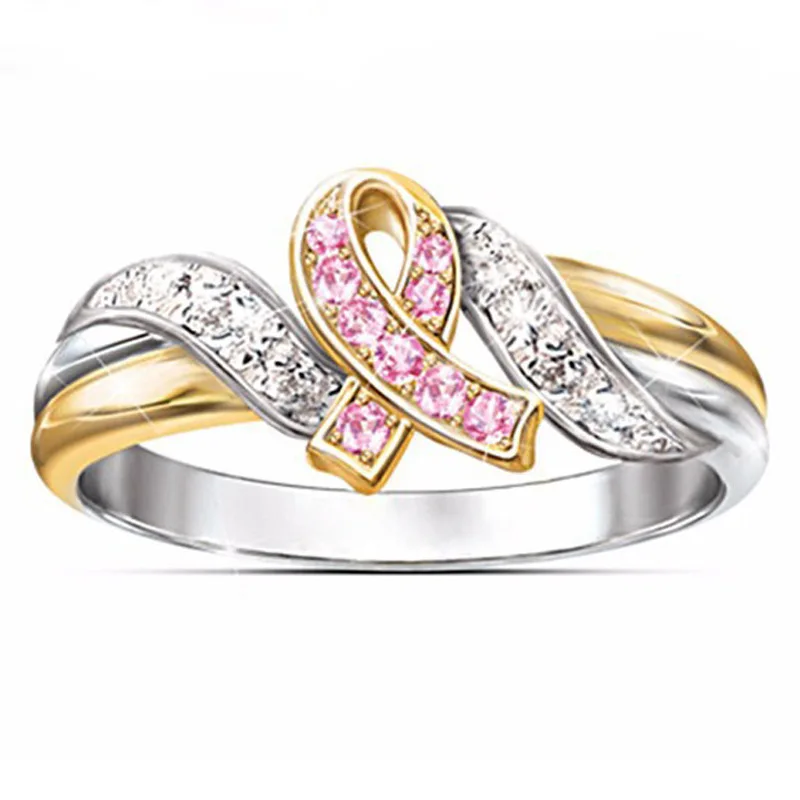
Women’s hope ring, stainless steel, domestic violence awareness, child abuse prevention advocate ring
A ring to show your support for domestic abuse awareness, a unique option to the ribbon lapel pin. Purple ribbon women's ring, thank you for showing your support for child abuse prevention.
$19.99


Source: Original, unedited article: http://www.google.com/amp/s/www.psychologytoday.com/us/blog/compassion-matters/201106/your-child-s-self-esteem-starts-you?amp, Dr. Lisa Firestone on parenting (2011).

National Suicide Prevention Week: Sunday, September 8 – Saturday, September 14, 2019
By: Amanda Rances Wang, Good Advice – 9/8/2019
Suicide is the 10th leading cause of death in the United States, yet it is still treated with shame and silence. In honor of National Suicide Prevention Week, we’re sharing stories about suicide in order to encourage awareness and combat stigma. If you or someone you know is struggling with thoughts of suicide, please call the National Suicide Prevention Lifeline at 1-800-273-8255.
I’ve struggled with depression and suicidal thoughts since I was a teenager. But by the time I was 29, I thought I had things under control. I took antidepressants and talked to a therapist every week. I had a full life with my husband of three years. Trips were ventured, friends gathered together, and there were plenty of nights on the town. Everything appeared fine from the outside.
It’s just that there’s this one single thing that I slowly began to notice until I could no longer deny its presence in my life. I was gay.
In my mind, being gay meant the destruction of the one thing that I thought kept the demons at bay: my marriage. I was in love and he had this uncanny ability to draw me out from the dark side. Being married to this wonderful person, I thought, would solve all my problems. So now to be gay, and lose him and all that he represented? I wouldn’t dare make that leap. To even think about it was too painful, too terrifying.
I got far enough with my suicidal ideation that I finally shared all my passwords and bank account information with my friend Karen. I also gave her access to my online journal, and she noticed a very disturbing passage about how I had been hurting myself. The next thing I know, my brother knocks on my apartment door. “Is everything okay?” he asks. “Karen told me about what you wrote, are you sure you’re okay?”
I told him I was fine, but he knew me better. That Friday after dinner, my family—my parents, my brother, my husband, and my godmother—were gathered at my parents’ house. In front of everyone, my brother shared that he was concerned about my well-being, and that he noticed I’ve been having a hard time. Then he outed me, right then and there, announcing that I’m gay—revealing the truth that I had only ever written in my journal. Tears started to fall down my husband’s cheeks. He said, “Whatever makes you happy, Amanda. I’ll support it.” You’d think that would make my decision easier and lighten my load, but instead, I thought to myself, “I am one fucking terrible person.”
The self-harm got worse and more frequent after that. I was doing anything to take the edge off and dull the pain. Two weeks later, Karen finally told me, “Amanda, we’ve done all we could. You’ve done all that you could. You’ve seen your therapist, you’re taking meds, you’ve told your husband and your parents, and still it’s not working. It’s time, Amanda. I think it’s time you entered yourself into the hospital.”
It took a long time, but once I was able to manage my symptoms, I was able to come to terms with the reality of who I was.
It was there on the 11th floor of a New York City hospital that my social worker finally puts a name to what I’ve been suffering from most of my life. She begins to read each of the nine symptoms out loud, and with every symptom, I’m convinced she’s reading my biography. “Amanda, have you ever heard of borderline personality disorder?” she asks.
That moment changed my life. Receiving a diagnosis put me on the track to proper treatment (dialectical behavior therapy, which is designed specifically to help people with BPD) and with it, I begin to understand my emotions, my vulnerabilities, and most important of all, what to do when I am feeling suicidal—tools that I never really had before.
It’s been 13 years since I received my diagnosis. I continue to work with a DBT therapist and go to a group class to learn the skills I need to thrive. My therapist has been invaluable to me. She challenges me, keeps me accountable, and helps me build a life I’m happy to live as a proud gay woman. It took a long time, but once I was able to manage my symptoms, I was able to come to terms with the reality of who I was. It was so hard for me to let go of my husband, who gave me hope, stability, and structure—things so important to my mental health—but I had to first believe that I could be those things for myself.
Still, it hasn’t been easy. I continue to work through suicidal thoughts and urges. I have been hospitalized three additional times since my first hospitalization all those years ago. Although I sometimes see those as failures, I ultimately recognize that indeed, they were strides in the right direction. I’m still here, and that has to count for something.
You know what? Maybe that something is courage. People who have been through hell and live in a body and mind that conspire to kill itself are incredibly courageous for not only sticking it out, but for seeking the right professional help to keep them alive. Seemingly insignificant things like talking to the barista, going for a jog, holding ice in your hands, and yes, accepting help when you need it most, are courageous acts in the face of suicide. We must choose courage, no matter how difficult and painful the road ahead of us lies.
Amanda Rances Wang is a digital designer by trade, an advocate for those living with mental illness, and founder of a startup. She lives with her son in Long Island, NY.
Here’s the best way to take care of a friend struggling with suicidal thoughts. And here’s the best way to talk about suicide, according to a psychiatrist.
Source: www.wellandgood.com/good-advice/suicidal-thoughts-depression-help/

“Thoughts determine feelings.”
Remember that. Make a note. Get a tattoo.
This is an awesome article which can apply to anyone, at any age. Especially teens.
By Eric Barker, TheLadders.com
Someone compliments you and you think, “They don’t mean it.” Something good happens and you hear, “I don’t deserve this.” You’re meeting new people and it’s, “They won’t like me.”
And you usually accept those words because they’re coming from inside your head. It’s like the horror movie where the calls from the killer are coming from inside the house.
These are called “automatic thoughts.” And they suck. But we all know the answer: you just need to think happy thoughts, right? Wrong. Let’s get our psychology lessons from somewhere other than Instagram memes, alright? “Think happy thoughts” doesn’t help unless you don’t need help.
From The Confidence Gap:
Their study, entitled “Positive Self-Statements: Power for Some, Peril for Others,” … showed that people with low self-esteem actually feel worse after repeating positive self-statements such as “I am a lovable person” or “I will succeed.” Rather than being helpful, these positive thoughts typically triggered a strong negative reaction and a resultant low mood.
So when you’re really feeling down, happy cliches won’t cut it. Nope. So we’re gonna need to science the hell out of this one. We need to rewire your brain, bubba.
From Cognitive Therapy and the Emotional Disorders:
This new approach— cognitive therapy— suggests that the individual’s problems are derived largely from certain distortions of reality based on erroneous premises and assumptions. These incorrect conceptions originated in defective learning during the person’s cognitive development. Regardless of their origin, it is relatively simple to state the formula for treatment: The therapist helps a patient to unravel his distortions in thinking and to learn alternative, more realistic ways to formulate his experiences.
It’s not hard or expensive, but it’s gonna take some practice. (Look, if you can spend 10 minutes taking a Facebook quiz to find out which Harry Potter character you are, you can spend 5 minutes a day to live a happier life, alright?). And once you get good at this it won’t just make you happier — these techniques are proven to help with all kinds of issues from procrastination to anxiety to anger.
From Thoughts and Feelings:
Challenging automatic thoughts is a powerful way to counter perfectionism, curb procrastination, and relieve depression and anxiety. It is also helpful in treating low self-esteem, shame and guilt, and anger. The techniques in this chapter are based on the cognitive therapy of Aaron Beck (1976), who pioneered this method of analyzing automatic thoughts and composing rational comebacks to refute and replace distorted thinking.
We’re gonna get some solid answers from Dr. Matthew McKay’s “Thoughts and Feelings” and even roll psychologically old school with UPenn professor Aaron Beck’s 1979 classic “Cognitive Therapy and the Emotional Disorders.”
“Thoughts determine feelings.” Remember that. Make a note. Get a tattoo. This powerful idea goes back thousands of years to the Stoics. Aaron Beck even quotes Marcus Aurelius and Epictetus (the Biggie and Tupac of Stoicism) in his book.
From Cognitive Therapy and the Emotional Disorders:
If thou are pained by any external thing, it is not this thing that disturbs thee, but thine own judgment about it. And it is in thy power to wipe out this judgment now. – Marcus Aurelius
“Always trust your feelings” sounds sweet but you wouldn’t tell that to someone with a phobia, a hoarding problem, or — god forbid — homicidal impulses, would you? No. Teenagers and golden retrievers are excellent at blindly following their feelings but neither are regularly consulted on their decision-making skills. Continue reading…

You can be a good parent and have unintentionally caused hurt in your child.
This 8-step process will help you get through the conversation and build a better relationship with your grown children.
By Nicole Spector
As my husband and I deepen our discussions around family planning, we’re tackling a number of questions about budgeting, housing, childcare, employment and so on. Most of our inquiries are of a fairly practical nature, such as “How can we afford this?”, and “What kind of parental leave can we work out?”
But some of our questions tend to veer into the wild, snake-infested territory of “what ifs”. One of my favorites to ponder, with an urgent hopelessness, is “What if we screw up and our kid grows up to resent us for it?”
It’s an impossible question to answer right now, but in 20 years or so, I might be asking this same question, and justifiably so.
“Even when they do their best, parents fall short regardless and there will be memories and experiences that children find hurtful,” says Lauren Cook, MMFT, a doctoral candidate in clinical psychology at Pepperdine University. “There is no such thing as a perfect parent.”
So what is a parent to do if, after raising their kid as best they could, their grown child begrudges them for how they were raised or how said parent handled a particular issue?
Through consulting numerous therapists, we’ve pieced together a 8-step process detailing how parents can deal with this difficult situation, and ultimately build a better relationship with their grown children.
You can be a good parent and have unintentionally caused hurt in your child.
— Read on www.nbcnews.com/better/lifestyle/your-adult-child-resents-way-you-parented-them-here-s-ncna1042081

The DBT service aims to replace problematic behaviours with skillful ones, help teenagers navigate relationships and experience a range of emotions without necessarily acting on them.
Bethan ShufflebothamCommunity Reporter
Five years ago there were no specific interventions for young people who were self-harming and feeling suicidal outside of cognitive behavior therapy (CBT) and family therapy.
In December 2014, the Trust’s Children and Adult Mental Health Service (CAMHS), was set up to meet the growing demand of young people with high levels of mental health needs in North Staffordshire.
Specifically, the team assisted teenagers aged 13 to 17 going through emotional difficulties which were causing them to self-harm or attempt to take their own lives.
The aim is to replace problematic behaviors with skillful ones, help teenagers navigate relationships and experience a range of emotions without necessarily acting on them.
Some states now allow students to take “mental health days.” This is an opportunity to start a conversation about how to address mental health in schools. Continue reading…

Whether or not [parents] actually express more criticism than praise, teens and tweens are particularly susceptible to a distorted way of thinking referred to as mental filtering.
By Alisa Crossfield, Ph.D., Psychology Today
One of the most common complaints I hear from my tween, teen and young adult clients is that their parents harp on what they do wrong and never recognize all they do right.
At times, I have heard it from my own kids as well. Though there is the rare occasion when this is an accurate reflection of what parents think, more often one of two things are happening, and often both.
One of the culprits in maintaining kids’ beliefs that parents only see what they do wrong stems from our desire to help them. That desire translates into a never-ending flow of constructive criticism.
Whether or not [parents] actually express more criticism than praise, teens and tweens are particularly susceptible to a distorted way of thinking referred to as mental filtering.

In the United States, government authorities respond to a child sexual abuse report every 9 minutes. Recognizing the signs of abuse is the first step in protecting a child who’s in danger. Unfortunately, the signs aren’t always apparent.
Ninety-three percent (93%) of child sexual assault victims already know their abuser. Sexual predators are usually close to the family and in positions of trust, which means that parents and caregivers already have their guards down. It’s hard to fathom that someone in your inner-circle could be capable of violating a child.
#1. The grooming stage.
One thing abusers have in common is their effort to gain trust.
Those efforts may include: gift giving without occasion or reason, allowing the child to witness them giving elaborate gifts to others (attempt to impress), taking the child out to eat, movies, being overly complimentary to the parent and/or child, extra time with one-on-one tutoring or coaching (alone time) trips out of town, and more.
Single moms beware! Initially you may be flattered that this person has taken a special interest in your child, but in reality the abuser sees you and your child as an easy target.
Keep your eye out for the grooming stage!
#2. Common misconceptions.
At least 1 in 6 men have experienced sexual abuse or assault, whether in childhood or as adults. Don’t be blindsided!
Research on male childhood sexual abuse concluded that the problem is common, under-reported, under-recognized, and under-treated.
Parents, we must remain as diligent with protecting our sons as we are with protecting our daughters.
MYTH: Men who abuse boys are gay. FALSE.
Studies suggest that men who have sexually abused a boy most often identify as heterosexual and often are involved in adult heterosexual relationships at the time of abusive interaction.
#3. Bedwetting or resuming behaviors they have grown out of.
Resuming behaviors of a younger child such as thumb sucking or wetting the bed are red-flags.
If you have a pre-teen or teenager, don’t dismiss bedwetting as just an isolated incidence. Pay attention!
#4. Unexplained bruising or spots on the sheets.
When children play outside and are involved in sports, a little blood here and there may not be cause for alarm. If you have boys, cuts and bruises are the norm and won’t even warrant a second look.
But, as we now know, any unexplained stains on the sheets or clothing is worth a mini-investigation.
#5. Sexual behavior that is inappropriate for the child’s age.
Other warning signs include; excessive talk about or knowledge of sexual topics, asking other children to behave sexually or play sexual games.
A toddler masturbating or mimicking adult-like sexual behaviors with stuffed animals, toys or other objects is a strong sign of sexual abuse.
#6. Typical pedophilia behavior: Tries to be a child’s friend rather than filling an adult role in the child’s life.
– Abusers are often in a positions which give them access to children (i.e. church, coaching, mentoring) either as a career or volunteer.
– The abuser may often talk with children about their personal problems and relationships.
– They may vocalize how much they “love kids” and have several relationships with children outside the scope of their professional realm.
Typical Signs in adolescents:
Violations of trust are betrayals that have lasting effects. Parents, this is a matter of life or death, you can’t be too cautious. Remember, you are not alone. If you suspect sexual abuse you can talk to someone who is trained to help.
National Sexual Assault Hotline at 800.656.HOPE (4673) or chat online at online.rainn.org.
Online Prevention Training- https://www.stopitnow.org/prevention-training-on-demand
References: Rainn.org, Stopitnow.org, 1in6- https://1in6.org/get-information/the-1-in-6-statistic/